Four integrated capability groups under one roof: pressings, fabrication, machining and tooling. Each section below lists real working ranges, so you can judge fit before you send a drawing.
Our core business since 1996. We produce pressed parts for automotive, electrical and general engineering applications — both as standalone components and as parts of welded sub-assemblies.
| Typical pressed components | Application examples |
|---|---|
| Chassis & structural members | Cross-members, brackets, reinforcement plates for commercial vehicles |
| Body-in-white parts | Inner panels, hinge plates, seat structural components |
| Electrical enclosures | Switchgear cabinets, control box housings, busbar supports |
| Machined-after-press parts | Flanges, bosses and turned features finished on our lathes |
Where pressings become structures. We fabricate frames, bases and enclosures and weld them into assemblies using dedicated fixtures for repeatability.
MIG and TIG welding on carbon and stainless steels, resistance spot and projection welding for sheet assemblies, and manual metal arc for heavy structural work. Weld procedures matched to the joint design and validated on first-article parts.
Repeat jobs are built in welding fixtures we design and make ourselves. This keeps critical-to-function dimensions under control batch after batch, and shortens inspection time at your receiving bay.
Deburring, grinding and surface preparation managed in-house; powder coating and plating arranged through long-standing local partners with agreed quality standards and turnaround.
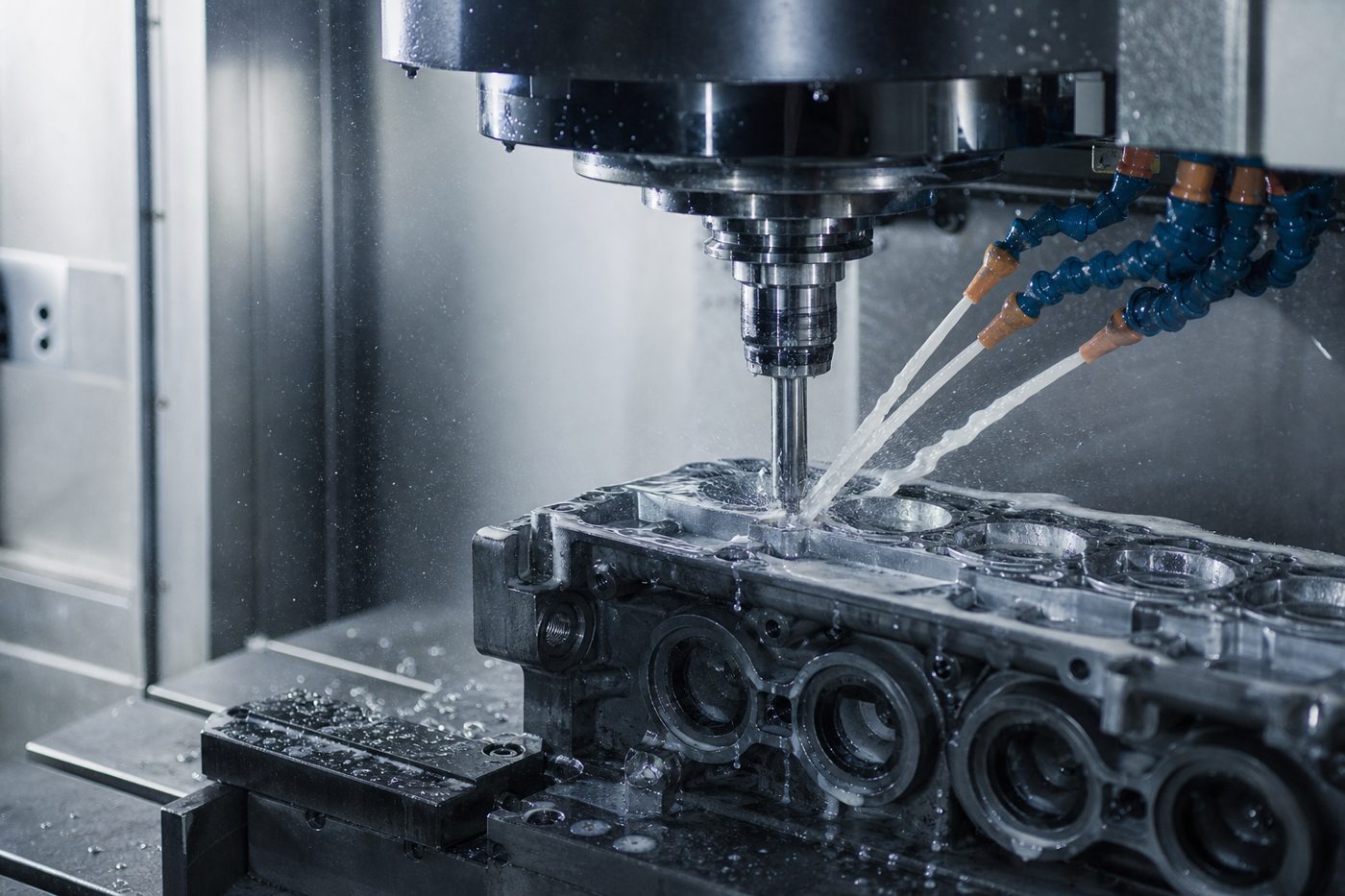
Many pressings need machined features — drilled holes, tapped bosses, turned diameters, ground faces. Doing these in-house keeps tolerance chains in one hand.
Combining pressing with machining under one accountability avoids the classic two-vendor problem where the press shop blames the machine shop for a hole that is off position.
The capability that protects your schedule. Tool design, manufacture, tryout and maintenance all happen inside the same walls as production.
We review your drawing or model before quoting — flagging features that drive tool cost, suggesting benign changes that cut price without changing function.
Progressive and compound dies built in-house, with tryout on our own presses. No waiting for external toolroom slots.
Sample parts measured against your drawing, with a dimensional report submitted for your approval before volume production begins.
Scheduled tool maintenance and on-the-spot repair capability keep output running. Average recovery time for a die crash is measured in hours, not days.
There is no fixed MOQ. Prototype and bridge quantities are supported on soft tooling or laser-cut blanks before volume dies are committed. We would rather help you validate a part than force a volume commitment too early.
Yes. We can produce a 2D drawing with tolerances proposed for your approval. Most new-product enquiries arrive this way, and it is covered by NDA on request.
Both. Many customers take individual pressings; others receive welded and machined assemblies delivered paint-ready or finished. Tell us where your assembly line starts and we scope accordingly.
Indicatively: quotation with DFM feedback within 3 working days, tooling in 4–8 weeks depending on die complexity, first articles submitted immediately after tryout. Schedule-critical programmes are discussed openly — we say early if a date is not achievable.